Project: Biodiversity enhancement on Scottish Power sites, in collaboration with conservation charity BugLife
Location: Central belt (various)
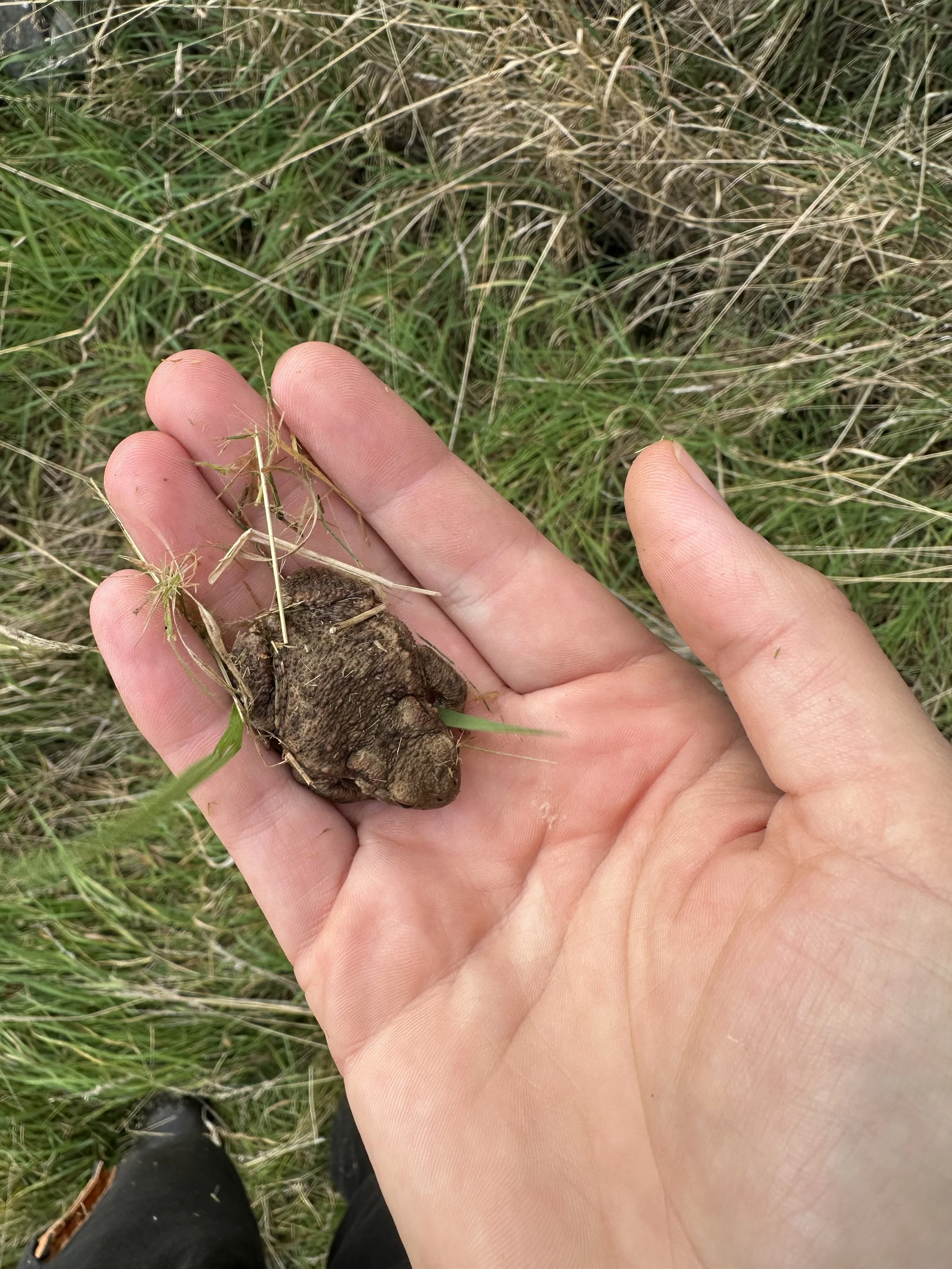
We enjoy an active partnership with ScottishPower and the invertebrate conservation charity Buglife to transform utility sites across Scotland into thriving habitats for pollinators and other wildlife. Grid infrastructure and substation land might seem an unlikely place for nature to flourish, but these sites hold real potential. Often undisturbed and spread across the country, they can act as stepping stones in a wider pollinator network, linking fragmented habitats and giving bees, butterflies and other invertebrates the food and shelter they need to move through the landscape.
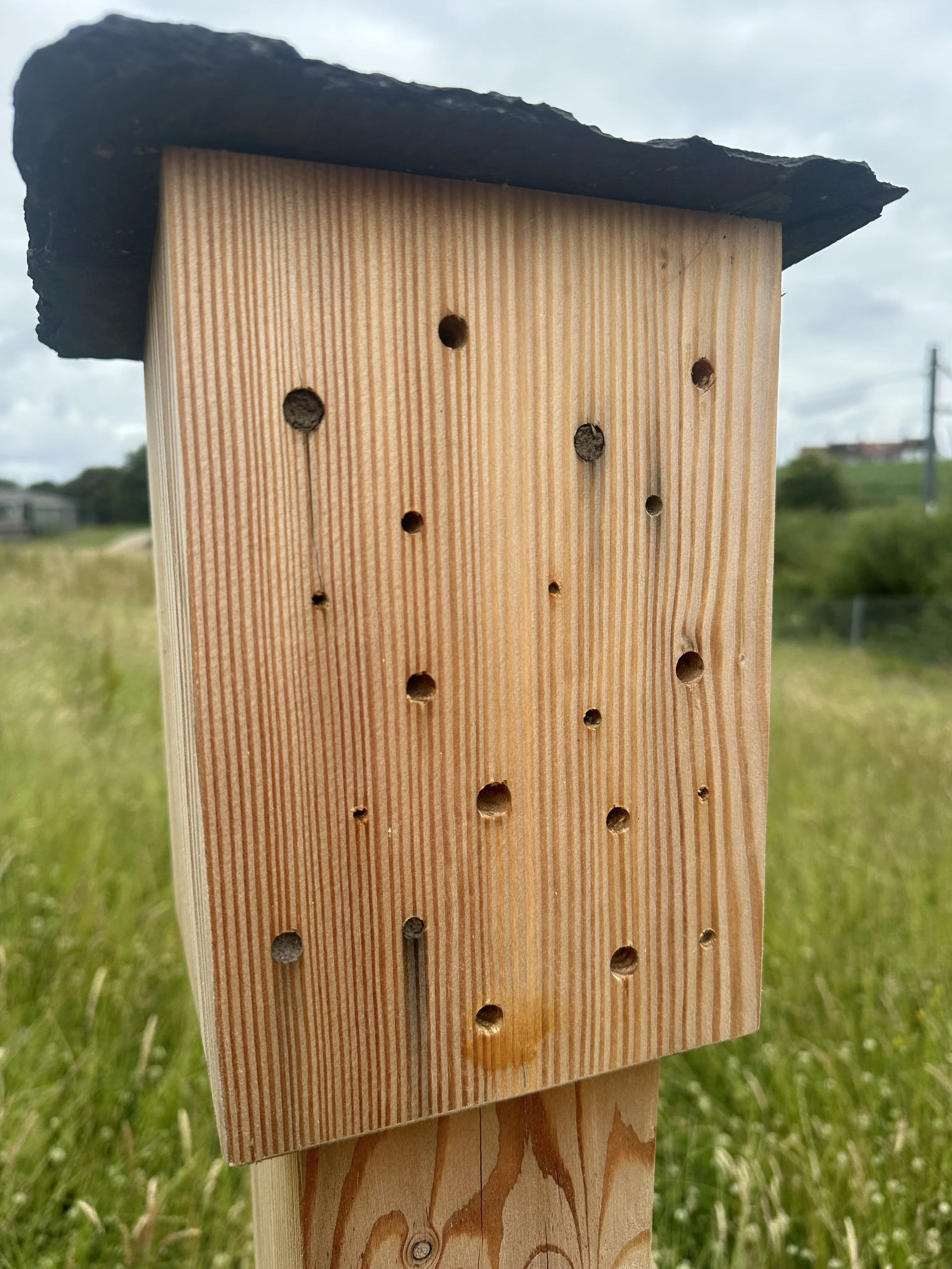
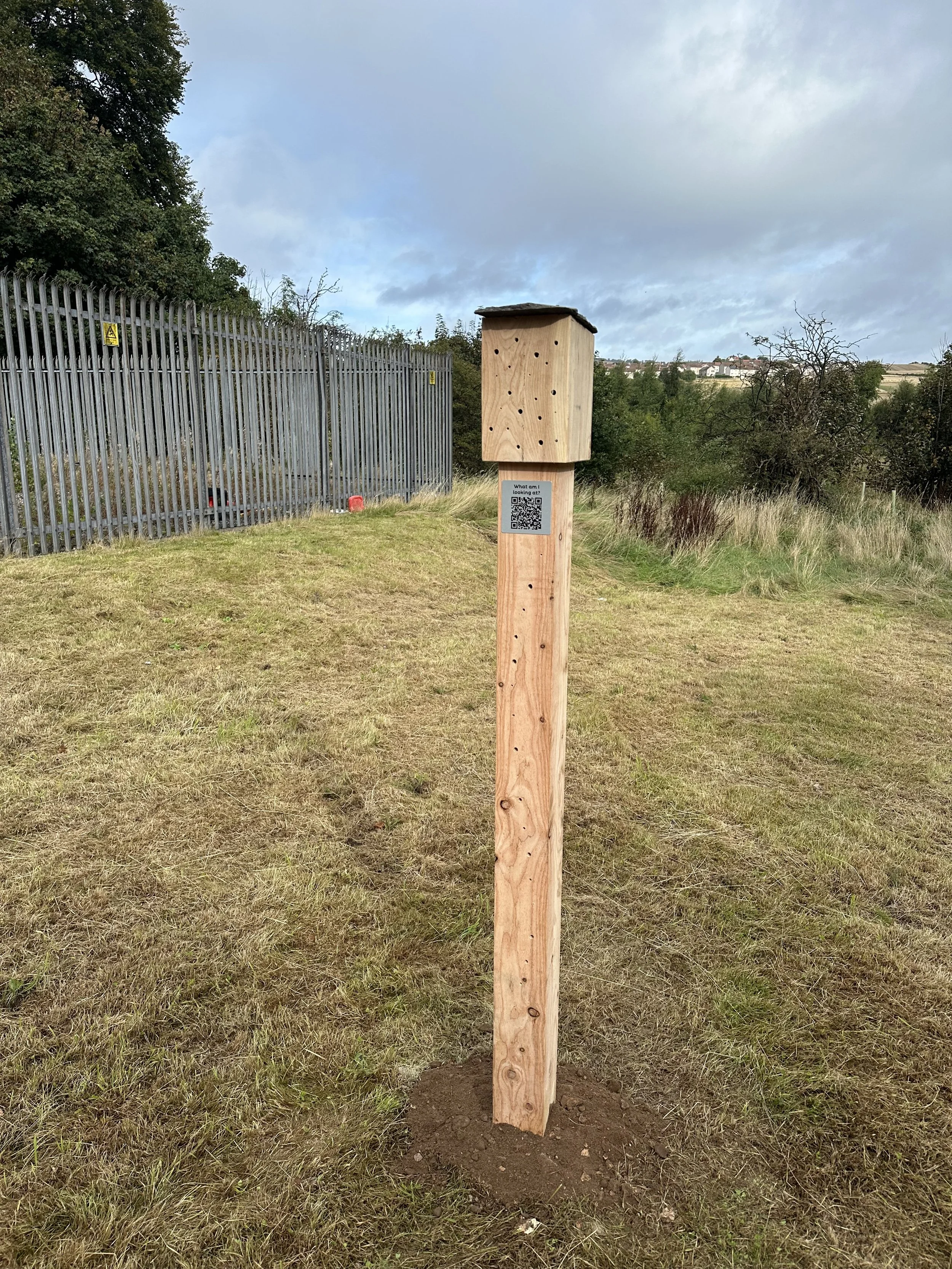
At the heart of this work are our unique bee posts which provide ready-made nesting habitat for solitary bees. Solitary species make up the vast majority of the UK's bee population and are among our most effective pollinators, yet they are frequently overlooked in favour of honeybees. Our posts give them somewhere to nest where natural cavities are scarce, and they've become a recognisable feature of the sites we've worked on.
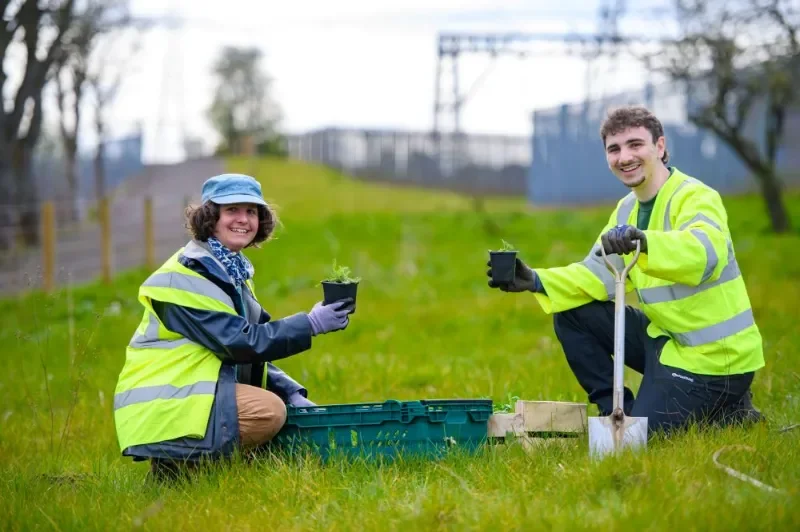
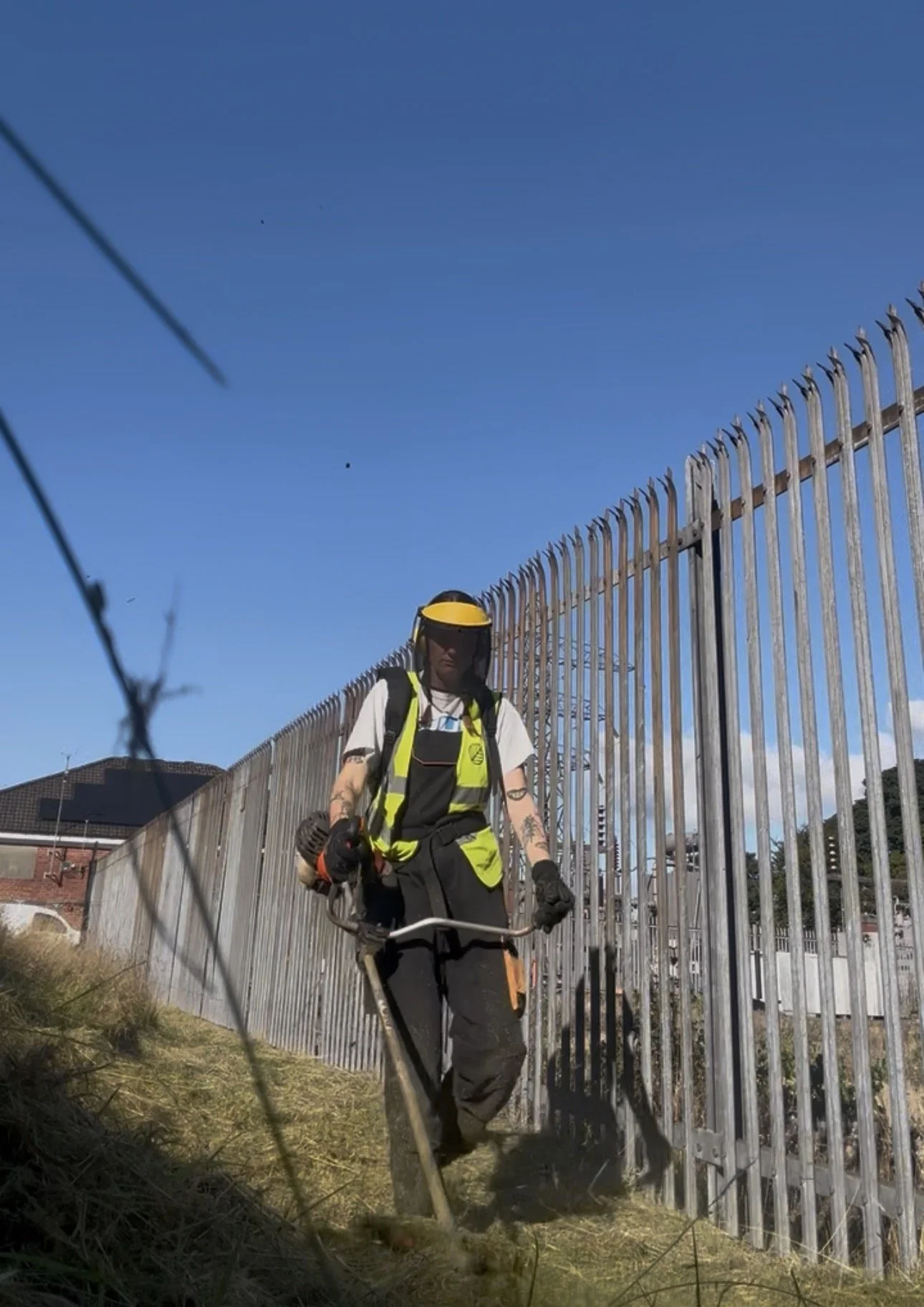
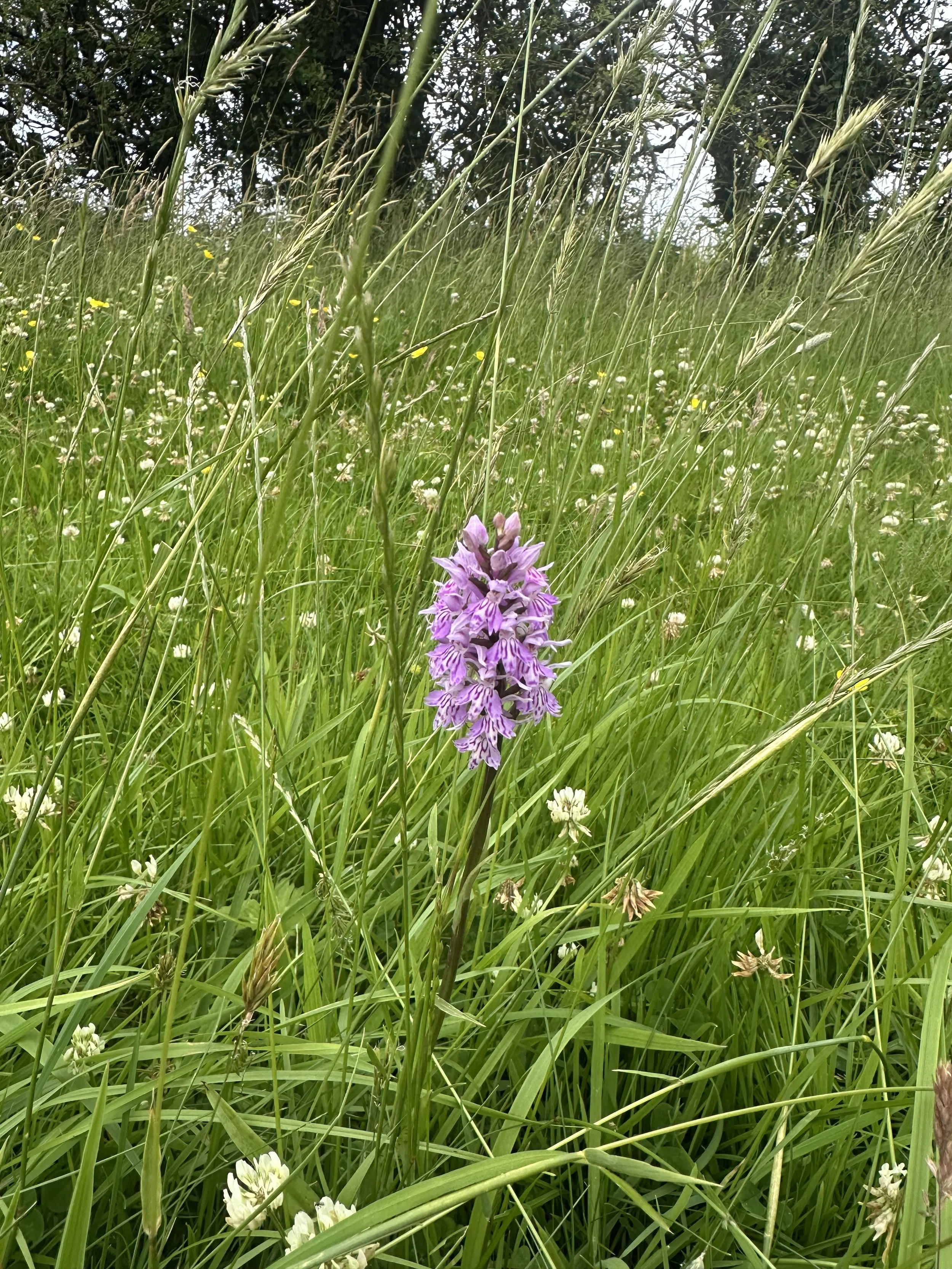
Alongside the bee posts, we've established wildflower meadows across the sites, sowing native species chosen to suit local conditions and deliver nectar and pollen from early spring through to late summer. These meadows do more than support insects. They improve the look of the land, hold water, store carbon and bring colour and life to spaces that were once close to bare.
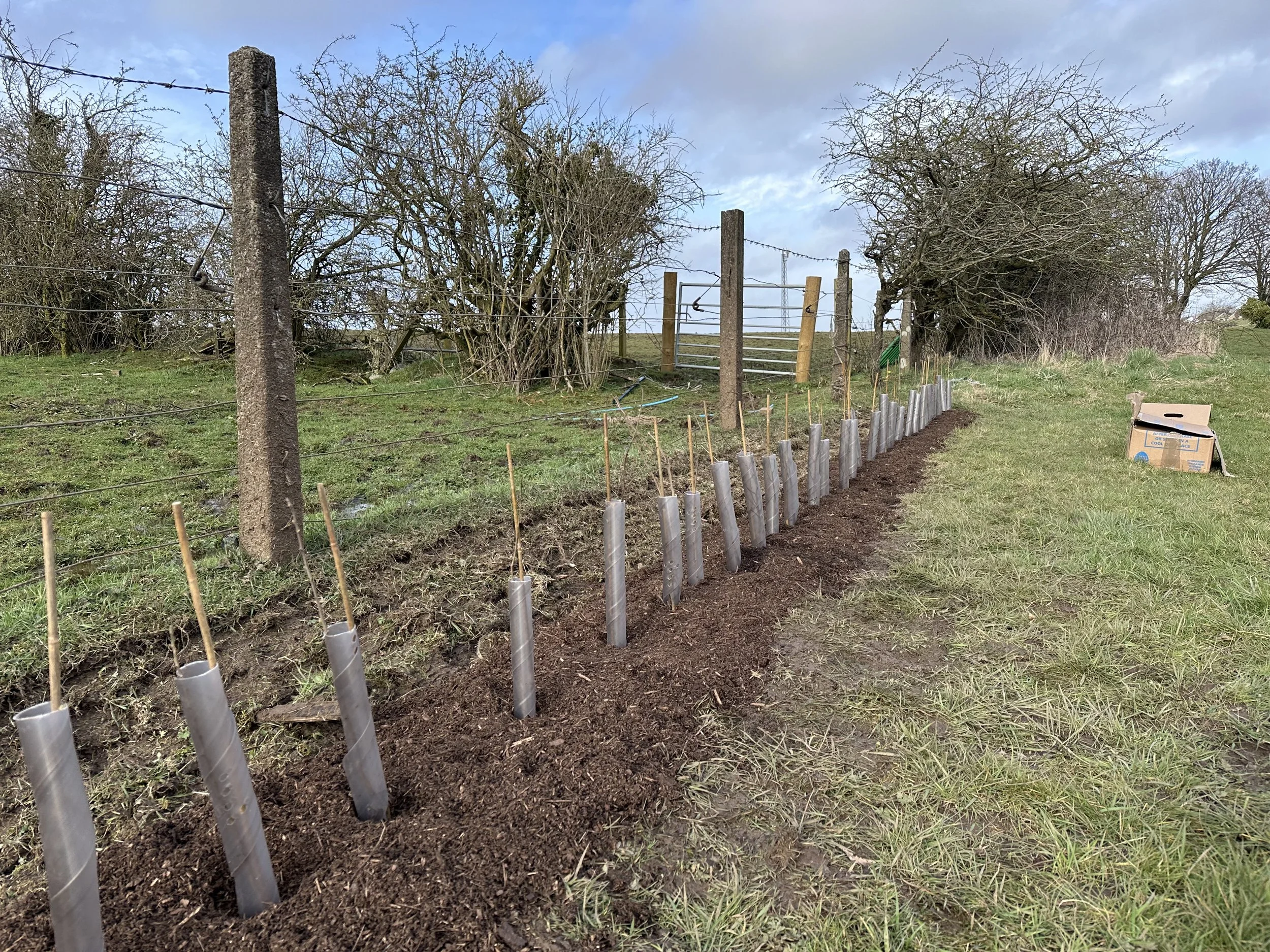
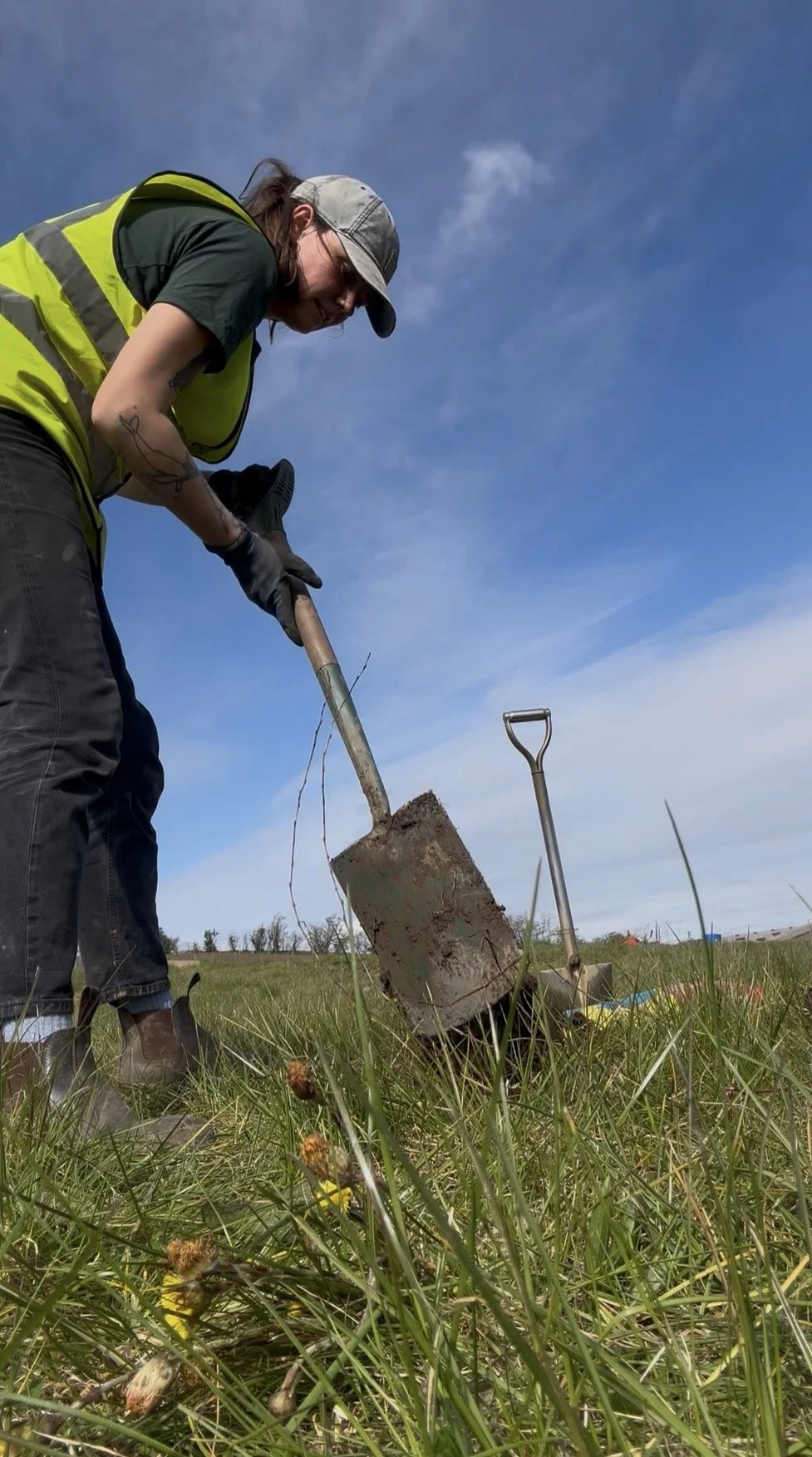
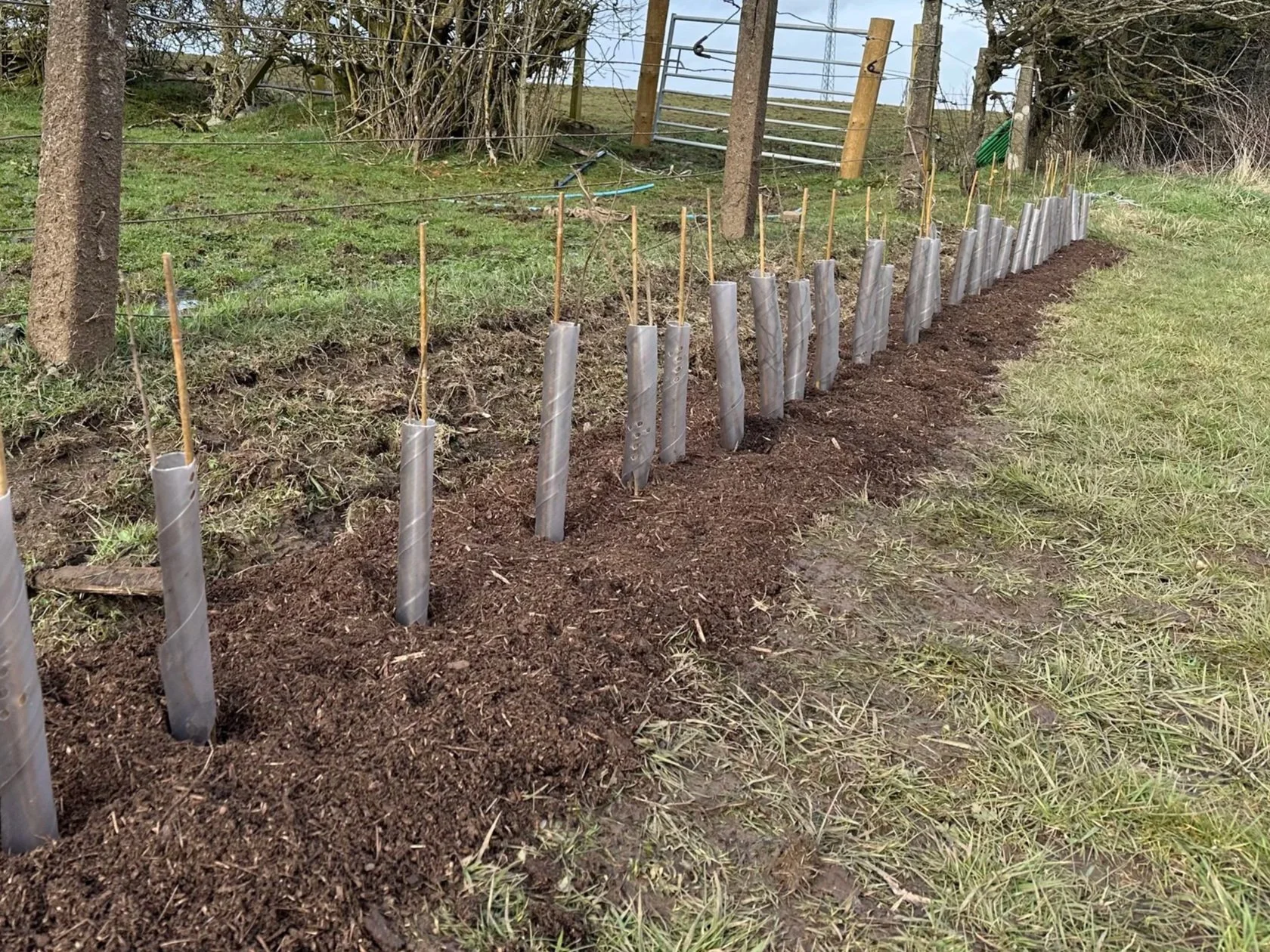
We've also planted native hedging to provide shelter, nesting sites and food for birds, mammals and invertebrates, while knitting the meadows and wider habitat together into a connected whole.
This is practical, ecologically grounded work that shows how existing infrastructure can be put to work for nature. Together with Scottish Power and Buglife, we're proving that biodiversity and utility land can sit side by side.